
Monthly Archives: May 2026

Kiss the Ring to Graduate

Folklore:
Don’t step on the emblem at California Baptist University or else you won’t graduate. You can break the bad luck by running as fast as you can to the ring statue and kissing it.
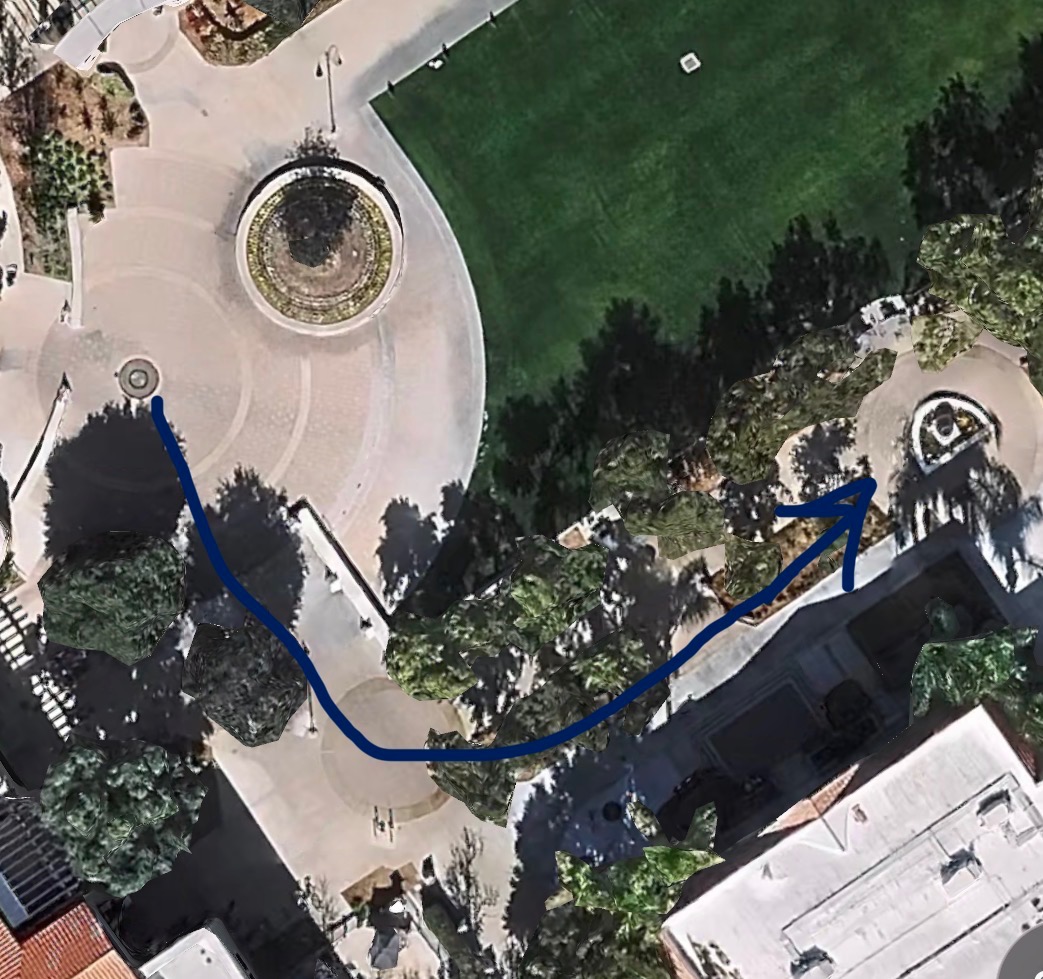
Map of the University from the Emblem to the specific Ring Statue

Context:
The informant is a freshmen at Cal Baptist University, where he learned from his First Year Experience Leader this folklore. There is a specific emblem placed on campus where if you step on it, he was told he won’t graduate unless he runs to a ring statue nearby and kisses it. His friends were forced to do it after they stepped onto the emblem. The informant noted it likely was to show respect to the university and a possible hazing ritual from upper class man to lower class men. It showed they were a part of the community.

Analysis:
The story and superstition is shared within the community and specifically shared from upper class men to lower class men. The experience helps build camaraderie between the students and create a distinctive identity for its members. It also on a practical level, helps discourage disrespect against the university and encourage attention to detail and care for the campus and its members. The bad outcome being failing to graduate also emphasizes the communities interest in education.

Rally Cap

Folklore:
Flipping a baseball cap inside out to bring on a rally of good plays in a baseball game. The action can be performed by players or the fans in the stand.

Context:
The informant was a baseball player in Santa Clarita, CA. During games, he or his teammates would perform this ritual to try and help bring good luck or spur on a rally where a lot of good events would happen in quick succession like “a guy gets a hit, a guy walks, a double and they score… a lot of them go with quick bursts of runs.” The informant noted the rally cap “is trying to initate a hot streak,” to get the game on their side and moving.

Analysis:
The ritual is intending to bring good luck and try and spur on the team into a favorable position. The informant noted in the interview that baseball is a game of rhythm that is hard to hold and keep it going. The team aspect and the harder rhythm makes supersitions common to try and create a favorable outcome for the game and the team.

No Hitter Superstition

Folklore: Don’t talk about a no hitter game in baseball until the 7th inning or else the game will change.

Context:
The informant was a baseball player and noted how it was bad luck to talk about a no hitter game until it reaches the 7th inning. They noted it may not always be the 7th inning, but “there is a certain inning” in which it becomes okay to talk about it. In fear of “the baseball gods” or the game turning following speaking it into existence. The informant noted how the game is reliant on rhythm and keeping the rhythm of the game.

Analysis:
The folklore is a superstition meant to try and control the affects of a game and not ruin good luck. The event of a no hitter game is a rare one, which tends to create a ritual to help the rare event continue. The community creates these rituals to help take part in the event as a community by trying to help their players or team through performing or preventing certain things for their team for the desired outcome.

Mud Night

Folklore:
Holding a Mud Night where a desert, called mud, is served and enjoyed by the family.

Context:
Informant described a tradition from her grandma who held Mud Nights. The night would be delineated through the desert served, mud. Informant described Mud as a chocolate pudding like desert with oreo cookies crushed on top. Also, she noted that looking up mud on the internet to describe the desert, but found they didn’t look similar with the photos found online. The night was special to the informant’s mother who experienced it throughout her childhood and even into adult years, mentioning she returned home during college for some of these events. Informant experienced a few as a young child. The informant noted even though they didn’t particularly like the desert the thing that was special about the Mud Nights were the gathering of the family. Talking with the informant they noted there wasn’t a clear knowledge on who started the tradition.

Analysis:
The celebration seems to be used as a experience from elder to child to help create a shared experience for the family. With the history and variation, it is a special celebration to bring connection between the elders and the youth. Informant noted it was specifically a tradition her grandmother stewarded and continued. It emphasized the importance of family and communicated values of care and joy with its members and participants.

Meal Train

Folklore: A meal train is a tradition where following a member of the community having a baby or another significant event, the community organizes a group of people to help make and provide meals immediately following the event.

Context:
The informant encountered the practice through her local church and after moving to Los Angeles. The informant noted they were exposed to the practice a bit as a child, but not in such a large and traditional scale. It is to help provide meals to a member of the community and help them in times where the extra care is helpful.

Analysis:
The folklore is used to help bring together community and emphasize care for its members especially those in tiring, difficult, or wonderful situations. The experience brings people together and helps the member receiving the care feel appreciated.