
Text
*Translated from Chinese
“Ever since, I guess my mother hurt her body from all the hard work that she did, so ever since that she would suffer from rheumatism and she would especially feel pain in her joints and muscles when it was raining. And drinking cold water would make her joints hurt, so she basically confirmed to herself that drinking cold water was bad for the body because that was also something she learned from her parents and grandparents growing up, to not drink cold water or cold drinks because they would cause health issues or mess with your body.”
Context
KL notes that her mom was taught from her family that drinking cold water/drinks was not good for the body and health, and personally confirmed it after it made her joints act up. KL (who is my mom) then learned this idea growing up, and would tell my brothers and I not to drink cold water/drinks too often when we were growing up. She says that her husband (who is also Chinese) does not believe in this idea and says that it is just an old traditional Chinese belief that has no scientific backing and should have been outgrown by now.
Analysis
This opinion on cold water is an example of traditional Chinese folk medicine beliefs that were passed down to my mom then to my brother and I through family advice and sayings. For my grandmother, or KL’s mother, the belief was validated by her experience with rheumatism, showing how beliefs become stronger through lived experiences. The most interesting part of this story is the conflict. Dundes makes a point that we should not just disregard folk medicine because of scientific reasons, which is what my dad/KL’s husband tries to do by dismissing the belief because there is no scientific proof behind it. It’s interesting that my parents are both Chinese, and have both passed down similar folklore such as Chinese New Year rituals, Chinese stories, and values, but vehemently disagree on more “non-scientific”, pure folk beliefs. This could be because my mom had that lived experience that enforced the belief from her mother while my dad didn’t, but could also be because my mom is more apt to believe in the “supernatural” or the unknown, while my dad believes that most things in life are under his control. Either way, this story shows how even among the same folk group, beliefs will vary.
Tag Archives: health
Ukranian Blessing
Text (Ukrainian): “Дай тобі Боже здоровʼя і доброго чоловіка”
Text (Romanized): Day tobi Bozhe zdorovʼya i dobroho cholovika
Translation: “May God give you good health and a good husband”
Context: The informant said that it’s when she does something good or something for her, instead of ‘thank you’ she says this proverb. The informant says, “So it’s like a little blessing. Her grandmother used to say it to her and now she says it to me”.
Analysis: In traditional Ukrainian culture, there is a strong emphasis on the paternal line, particularly in regards to marriage. For instance, Ukrainian patronymic middle names combine the father’s first name with a gendered suffix (-vitch/-yvitch for men; -yvna/-ivna for women). Their culture values parental permission for marriage, so the informant’s mom wishing for a good husband reinforces cultural notions of traditional marriage and blesses whoever she does choose. In regards to religion, most Ukrainian families are Eastern Orthodox, so Godly blessings are valued and common. With this blessing combining good health and husbandry, it encourages the importance of finding marriage and a husband that works well with the family.
Red Ginseng and Deer Antler
CONTEXT: HL is a second year student at USC, originally from Maryland. HL learned this practice from her grandparents, who she lived with until moving to Los Angeles. HL’s grandparents are both from Korea, which is where they learned this practice. HL’s relationship with this is that she does not believe it had any effect on her health and strength, but appreciates that her grandparents wanted that for her.
TEXT:
HL: So for some reason – in Korean culture – my grandparents would always have one of their siblings visit Korea and come back, and when they came back the would bring this syrup/juice thing that was made up of crushed up deer bones or some kind of big animal. It was the most bitter disgusting thing I had ever eaten in my entire life and I always knew when they opened the big red box that it was in there. So then I would have to drink this pouch of the crushed up bone juice, and they were like, “oh its so that you grow up to be healthy and strong” and stuff. So it’s a common East Asian herbal medicine thing. Yeah that was a tradition I grew up with. It would happen once or twice a year – whenever someone would go to Korea on vacation and come back. Probably from when I was about four to when I was ten. They prioritize it more for kids, and you can find these boxes with the pouches in HMART, like here I’ve seen them. They’re hidden away in a special area on a special shelf near the alcohol section. They’re like 100 or 200 dollars for a box of these pouches. I thought it was bullshit but I did it because they forced me too, or sometimes if I did it they would give me money. To specify, the pouches were actually red ginseng, other root things, and deer antlers, but I swear my grandpa told me it was bones.
ANALYSIS: This is an example of folk medicine, also related to life cycle, as it is primarily given to children. Red ginseng is native to Korea, as are deer, so both could be part of folk traditions going back many years. I do not know of the health benefits of either, but as with other folk medicine there could be medical benefits derived from them. HL said the mixture did not taste good, which can invoke a feeling that if it doesn’t taste good, but someone is drinking it anyway, then it must have some other benefit, such as health. It is a marker of life cycle, as HL said that this is mostly only done until 18. This folk medicine practice also serves as a way of passing down family practices and cultural heritage related to being Korean, as HL’s grandparents insisted she participate, which connects her to something they learned while growing up in Korea, while she was growing up in the US.
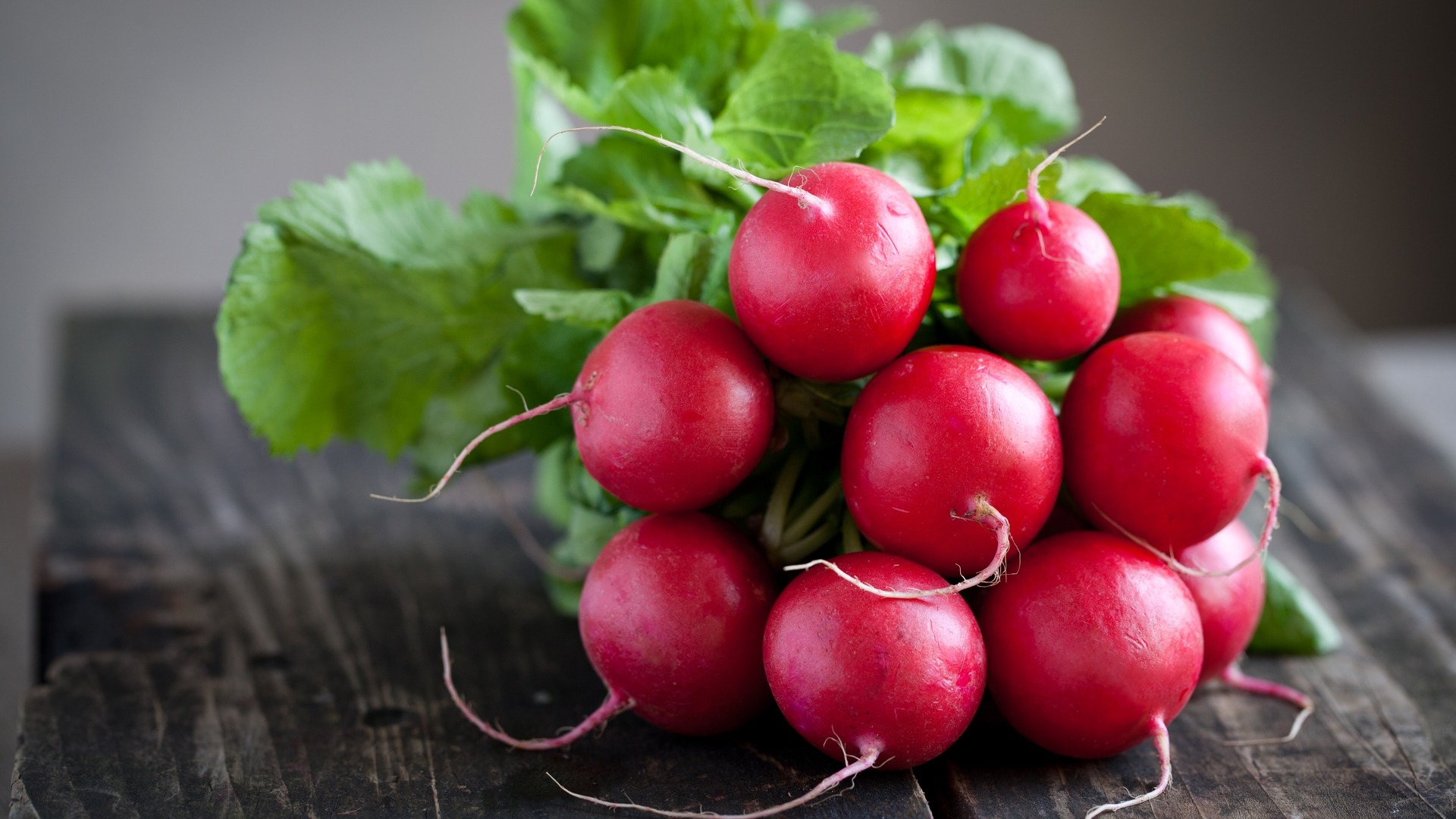
Lithuanian Folk Simile: “Healthy as a Radish”
Text
Original script: “Sveikas kaip ridikas.”
Transliteration: “Healthy like radish” / “Healthy as a radish.”
Free translation: “Snug as a bug in a rug.”
Context
IZ is a 20 year-old college student from Lisle, Illinois, living in Los Angeles, California. Both her parents’ families immigrated to the United States during World War II and remain connected to their Lithuanian roots through strong immigrant communities in the US.
“My dad loves this one,” IZ said about this folk simile. She described it as one that is only used around close family members and said by adults to children in an affectionate manner. “It’s a little silly,” she said, “because it rhymes.” For this reason, we chose “snug as a bug in a rug” as a potential free translation of this phrase, since it preserves both the rhyming and silly tone of the saying, as well as its social dynamic of being a saying communicated from parents to children.
IZ recalls both her father and grandfather using this expression to communicate comfort at times of sickness — a time when one has a red face, alluding to the color of the radish. She emphasized that it would only be said informally among family, from adult to child.
Analysis
As IZ explained this folk simile to me, she was quick to mention her association of these words with her father. This represents the power of folklore to be associated with a specific person even as it is a broader cultural production. I would infer that many other Lithuanian kids are reminded of family upon hearing these words.
The strict confinement of this phrase to the nuclear family serves to define the boundaries of the family to young children as they learn social dynamics. Additionally, the knowledge that this phrase is only said to children implies also a knowledge of what is appropriate language to adults.
This proverbial phrase also contains variation in that it can be applied to diverse instances of redness, including from the cold. Lithuania is a country with very cold winters and moderate summers. I can imagine potential variation in this phrase being applied to redness from the cold. An ironic application could refer to redness from drinking — this would subvert the norms of only using this proverbial phrase toward children. More research is needed to see if this is an existing variation of the phrase.
The appearance of radishes in this phrase speaks to the cuisine of the country. Lithuania’s climate is suited to growing root vegetables, including radishes but also potatoes and beets.
An apple a day keeps the doctor away
Context:
M is a student at USC. She told me about a common proverb about doctors that is considered a joke in her family because her parents are doctors.
Text:
“An apple a day keeps the doctor away.”
Analysis:
This proverb traditionally means that eating apples or being healthy by eating nutritious food will help prevent unwanted doctor’s visits caused by poor health or illness. On the other hand, since my informant’s parents are doctors, she thinks this common proverb is more of a joke because it suggests that she can avoid her parents by eating apples. Avoiding parents is something all teenagers can relate to, and it appears that children of doctors do as well.